
On our practice
What We Mean When We Say No Packages
Every vendor list built from scratch. Every menu a conversation. Why the atelier model is the only honest way to plan a luxury wedding.
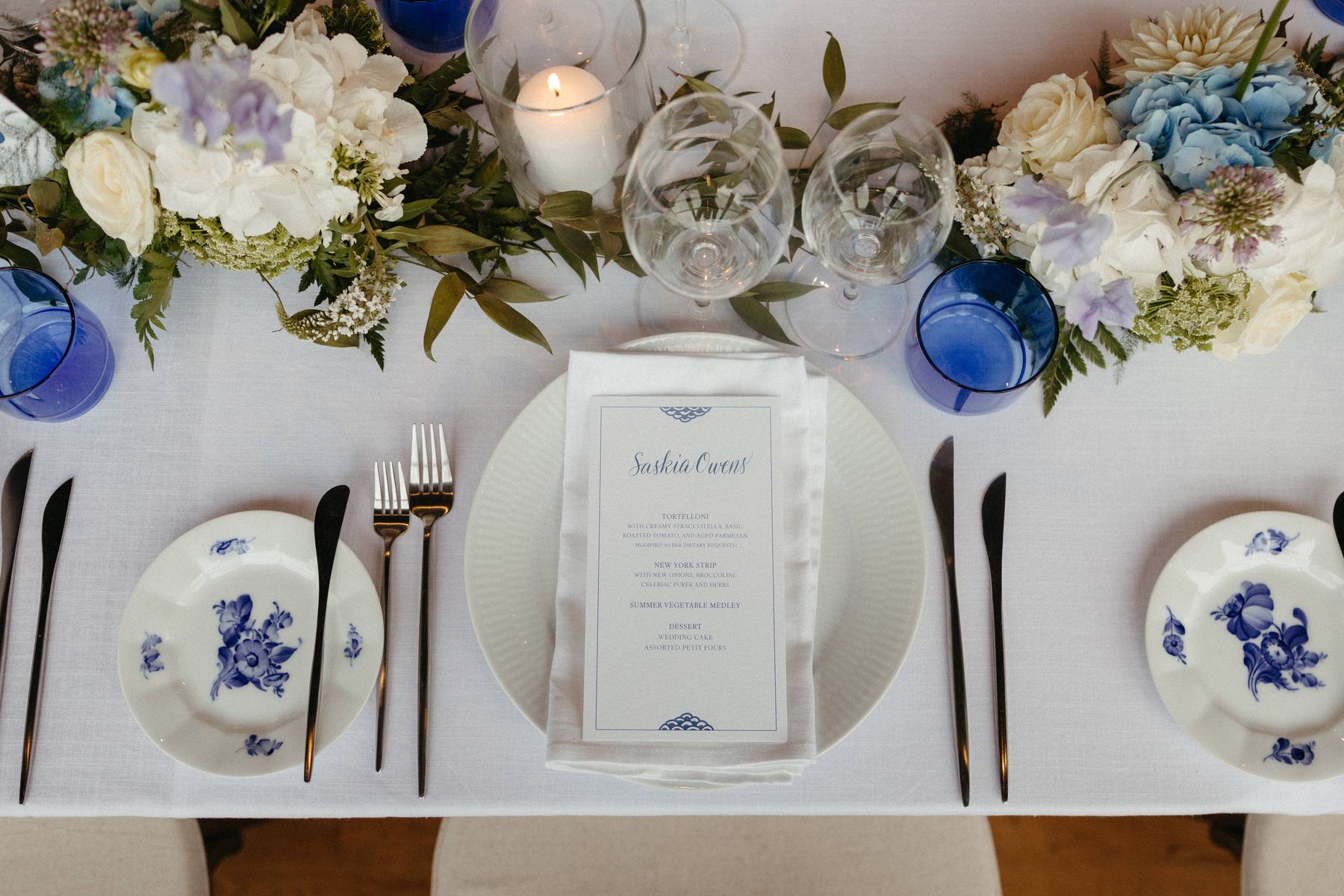
When we tell prospective clients that we work without packages, the response is sometimes confusion and occasionally relief. Those who are relieved tend to become our clients. They already know, from experience in other creative fields, that the package is a convenience for the provider — not the client.
A package is a set of decisions made in advance on behalf of someone who has not yet been asked. It is the opposite of bespoke. And for a celebration that is, by definition, singular — one couple, one day, one gathering of the specific people they love — it is a category error.
What we build instead.
Every engagement begins with a brief. Not a form — a conversation. We want to understand how you live: what you read, where you eat, how your home is furnished, what kind of evening you consider perfect. We ask about the guests as individuals, not as a headcount. We ask what matters and, equally, what does not.
From this, everything follows. The venue search is conducted against your specific brief, not a catalogue. The florist is chosen for their sensibility, not their proximity. The chef is selected for what they do with the particular kind of evening you want to create — not for their availability on a preferred supplier list.
The florals are not transferable.
We often say this to illustrate the point: the florals for a couple from the food world look nothing like the florals for a couple from finance, even if both couples have the same guest count, the same budget, and the same season. The first couple wants restraint, texture, and something foraged. The second couple wants abundance and formal elegance. Both are correct. Neither would survive the other’s wedding.
This is true of every element. The music. The table. The order of the evening. The way the cocktail hour flows into dinner. The timing of the first dance, or whether there is one. All of it is constructed from conversation, not assembled from components.
What this requires of us.
Working this way is slower. It requires a different relationship with vendors — one built on mutual respect and a shared understanding of what the work demands, rather than a transactional agreement repeated at volume. It requires limiting the number of celebrations we accept each year, because each one requires genuine attention.
This is why we are selective about the clients we take on. Not because we are precious, but because we can only work honestly within a certain capacity. A bespoke atelier that takes fifty commissions a year is no longer a bespoke atelier.
What it requires of you.
A willingness to be asked questions — and to answer them honestly, even when the answer is uncertain. The brief-taking process only produces something useful if both parties are direct. We are not looking for the client who already has all the answers. We are looking for the client who trusts us enough to think out loud.
The outcome, when this works, is a celebration that could not have existed for anyone else. That is the point of bespoke. Not exclusivity as a status signal — exclusivity as the natural consequence of doing something well, once, for one person.
Private commissions